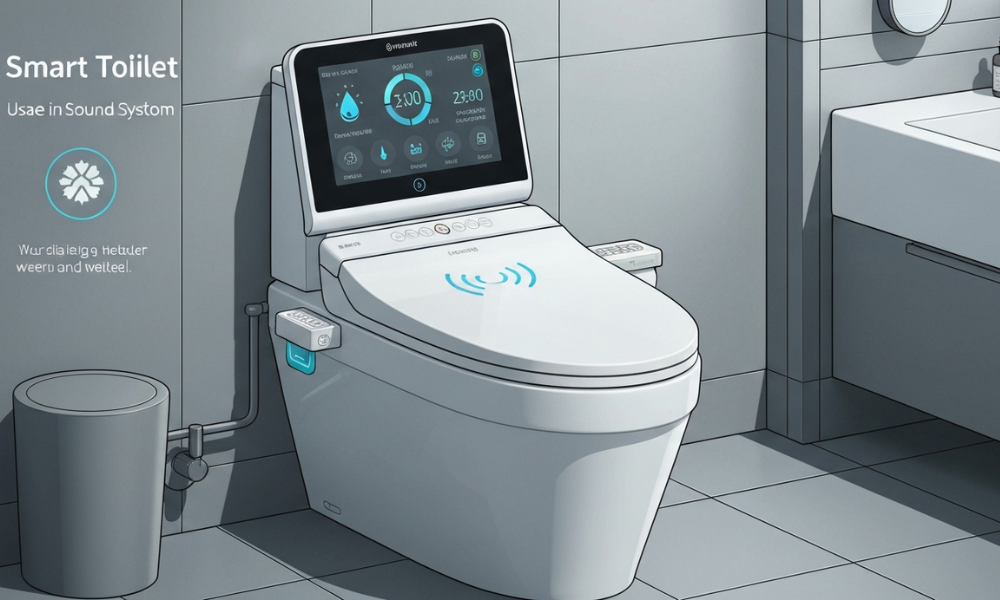
The modern bathroom is undergoing a significant technological transformation, and at the center of this shift is the sophisticated smart toilet. Many consumers are now asking: what do smart toilets do that justifies the upgrade from a traditional fixture? These high-tech units go far beyond basic plumbing, integrating automation, sensors, and electronic controls to elevate hygiene, comfort, and efficiency. Smart toilets are becoming a top choice for modern homes due to growing awareness of health, cleanliness, and environmental sustainability. By offering features like touchless operation, self-cleaning mechanisms, and advanced bidet functions, a smart toilet transforms a simple necessity into an advanced, user-friendly experience. Understanding their functions and benefits is key to appreciating this modern investment.
Main Body
Understanding the Core Function: What Do Smart Toilets Do to Automate Daily Routines?
The essence of a smart toilet lies in its ability to automate various tasks, effectively freeing the user’s hands. This means that once seated, functions such as lid operation, washing, drying, and flushing are managed automatically by a series of integrated sensors and electronic components.These advanced fixtures rely on internal sensors to detect user presence, weight, and water levels to execute automated responses. Automation not only adds immense convenience but also markedly improves hygiene by significantly reducing physical contact with the toilet surface. By minimizing interaction, the smart toilet streamlines the entire process, making it a much more sanitary experience than manual operation.
Achieving Touchless Hygiene: Automatic Lids and Flushing
A key answer to what do smart toilets do for sanitation is providing complete touchless plumbing. Highly sensitive internal sensors facilitate the automatic opening of the toilet lid when a person approaches, and subsequently close it after use. This feature is vital as it prevents outside contaminants from entering the bathroom and minimizes germ spread.Similarly, automatic flushing is sensor-triggered, ensuring the toilet flushes itself once the user is done, often based on weight recognition. This automation eliminates the need to touch unsanitary flush handles, further limiting the transference of germs and unwanted pathogens.
The Bidet Revolution: Superior Cleansing and Customizable Washing
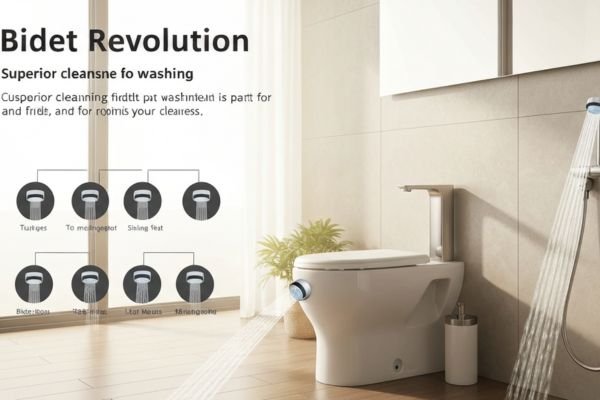
The built-in bidet functionality is perhaps the most defining feature answering what do smart toilets do for personal hygiene. This function uses an extendable nozzle to deliver a targeted spray of water to clean the user’s rear or genital area.Users gain full control over the cleansing process, with the ability to adjust the water temperature, water pressure, and nozzle position to their specific comfort level. Many smart toilets offer multiple cleaning modes, including front wash, rear wash, and even a massage wash option. This thorough water cleaning offers a more effective and sanitary solution than relying solely on traditional toilet paper.
Self-Sanitization Systems: Eliminating Germs and Odors
Maintaining cleanliness is prioritized in the design of these fixtures. What do smart toilets do to keep themselves clean? They employ sophisticated self-cleaning mechanisms that reduce the need for manual scrubbing.Many models incorporate UV sterilization, electrolyzed water disinfection, or pre-spray functions that sanitize the bowl and nozzle before or after use. This continuous sanitation process is crucial for minimizing bacteria buildup and ensuring a sterile environment. Furthermore, integrated deodorizing systems actively neutralize odors, typically using activated carbon filters or ion generators, ensuring the bathroom air remains fresh and appealing.
Comfort Redefined: Heated Seats and Nighttime Safety
Luxury and comfort are high on the list of what do smart toilets do to enhance user experience. The highly popular heated seat feature ensures comfort, especially during cold weather. Giving Tree Home’s smart toilets, for example, typically offer multiple heating settings, allowing users to fully customize and save their preferred temperature.For late-night trips, smart toilets often include gentle LED night lights. This illumination, sometimes controlled via remote sensors or Bluetooth, allows users to navigate safely without the jarring effect of bright overhead lights that can disrupt sleepiness.
Beyond Paper: Warm Air Drying and Waste Reduction
To complete the hygienic cleansing cycle, smart toilets feature built-in air dryers. Multiple air jets are positioned to ensure the user is completely dry in a sanitary fashion after using the bidet.This drying function minimizes or completely eliminates the need for toilet paper. Reducing household paper use makes the smart toilet both cost-effective and environmentally friendly. This focus on eliminating paper waste is a significant contribution to sustainability, defining what do smart toilets do for eco-conscious living.
The Efficiency Angle: What Do Smart Toilets Do to Conserve Water?
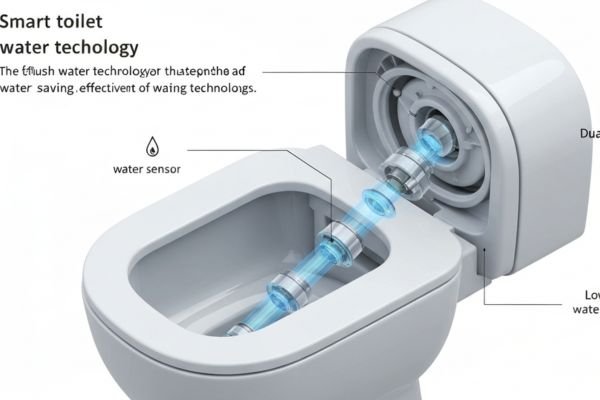
Water conservation is a vital benefit when assessing what do smart toilets do for the environment and utility bills. Traditional toilets from before 1994 could use up to 7 gallons per flush (GPF); however, modern smart toilets often use efficient siphon flushing technology, consuming as little as 1.28 GPF.Many smart toilets utilize dual flush technology, allowing users to choose between a low-volume flush for liquid waste and a full flush for solid waste. This mechanism ensures that only the appropriate amount of water is used. Potentially saving thousands of gallons annually and lowering water bills.
Inside the Mechanism: Key Components and What Do Smart Toilets Do
Understanding the internal mechanics clarifies what do smart toilets do technologically. The central component is the Printed Circuit Board (PCB), which acts as the ‘brain,’ housing the Micro-Controller Unit (MCU).The MCU processes signals from various sensors (like temperature and water level) and controls functions such as seat heating. Cleaning nozzle movement, and air temperature adjustment. The Power Board supplies necessary DC current to these control systems. For personalized control, a remote control is typically used to adjust settings conveniently without touching the unit. Tankless models rely on the household water pressure for flushing, while models with built-in tanks and pumps ensure strong flow even in low-pressure areas.
The Role of Safety Features and Design What Do Smart Toilets Do
Smart toilets integrate critical safety features to protect both the user and the home environment. They incorporate overflow protection, which uses a secondary drain to prevent the bowl from overflowing in the event of a clog. This feature ensures water flows safely into the pipes. Furthermore, reputable manufacturers prioritize safety checks, ensuring products pass international certifications like CE, CB, ETL, CUPC, and WaterMark. Design elements are also functional; for instance, the elongated bowl design provides enhanced comfort and reduces splashing compared to round bowls. The water seal in the “S” bend is essential, acting as a barrier to prevent sewer gas and odors from entering the room.
Accessibility and Space: Benefits for Every Home What Do Smart Toilets Do
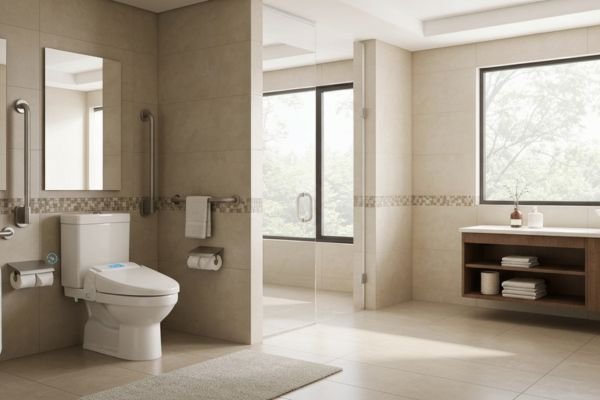
Beyond luxury, one vital aspect of what do smart toilets do is improve accessibility. The hands-free operation, including auto-flush and adjustable bidet sprays, is incredibly beneficial for elderly and disabled individuals. These features remove the need to strain or position the body awkwardly, making daily use much easier and more hygienic. Furthermore, many smart toilets boast a sleek, modern, and often tankless design. This compact structure allows homeowners to maximize space in smaller bathrooms. Adding a minimalist and contemporary aesthetic to the room, thereby adding modernity. Since there is no water tank adding obstruction, smart toilets can be placed almost anywhere.
Investment Comparison: Cost vs. Long-Term Value
When deciding whether to install a smart toilet, consumers must weigh the costs. Traditional toilets are cheaper, often costing around $400, while high-end smart toilets can exceed $5,000. However, brands like Giving Tree Home offer high-value smart toilets for under $1,000, making the technology more affordable. Although the initial price is high, the long-term benefits justify the cost. The reduction in water consumption (using roughly 50% less water than traditional models) and the diminished need for toilet paper lead to significant long-term savings on utility and household supply bills. The increased home value and reduced plumbing issues also contribute to the long-term cost-effectiveness.
Maintenance: Keeping Your High-Tech Fixture Running
Proper care is essential for maintaining a smart toilet’s longevity. Although it is slightly more complex than maintaining a traditional toilet due to the electronic components, the self-cleaning function handles much of the work, but routine maintenance and inspection of all components are still highly recommended. Users should clean the surface and bidet nozzle regularly using a soft cloth or brush and mild cleaners. It is crucial to avoid harsh chemicals or corrosive materials, as these can damage the sensitive plastic and electronic parts. For hard-to-reach areas, like the extendable nozzle, a toothbrush can be used. For more details on quality models, explore our guide on smart toilets for sale.
The Future Role: Health Monitoring and AI Integration
Looking ahead, a key future function of what do smart toilets do is integration with health and wellness monitoring. The latest smart toilets are moving beyond basic functions to act as passive health diagnostic tools. These models can analyze urine and stool samples to track vital health indicators, such as hydration levels, glucose levels, and potential infections. This positions the smart toilet as a “health guard” within the home. As technology evolves, further innovations are expected, including deeper AI integration for personalized user settings and enhanced sensors to monitor complex biomarkers. This transformation underscores how the smart toilet is changing healthcare and modern living environments.
Conclusion
To summarize what do smart toilets do, they provide a comprehensive solution for a modern, hygienic, and comfortable bathroom experience. These high-tech units automate essential tasks—offering hands-free operation. Superior sanitation via self-cleaning bidets, and personalized luxury through heated seats and integrated lighting. Furthermore, they champion environmental responsibility by maximizing water conservation with dual flush systems and reducing reliance on paper. While the initial investment is higher, the long-term cost savings, enhanced accessibility, and improved hygiene make the smart toilet a worthwhile upgrade. By embracing this technology, homeowners can elevate their quality of life and position their homes as forward-thinking, clean, and modern residences.