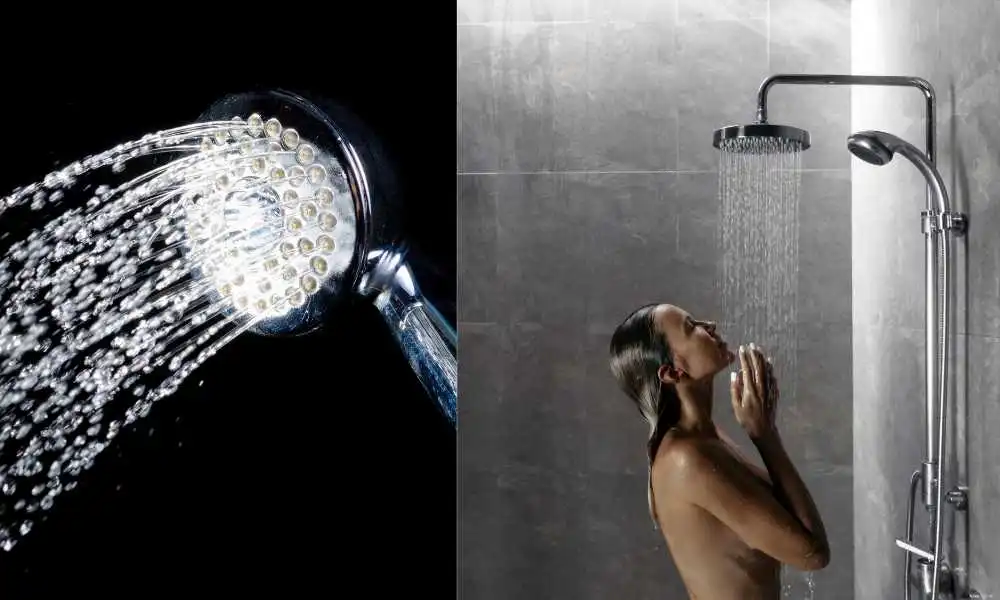
Designing a small bathroom can feel like solving an intricate puzzle.Every inch counts, and every design decision shapes the character and functionality of the space. Yet, a compact bathroom need not be a source of frustration. With thoughtful planning and creative solutions, it can become one of the most beautiful, efficient and quiet rooms in your home.At the center of this transformation is the walk-in shower – a feature that brings both style and practicality. This in-depth guide shows you how to create a small bathroom layout with a walk-in shower that maximizes space, increases comfort and reflects your personal aesthetic.
Why Choose a Small Bathroom Layout with Walk-In Shower?
The appeal of a walk-in shower in a small bathroom is undeniable. Traditional bathtubs and enclosures often dominate the visual field, making the room feel cramped and segmentedIn contrast, a walk-in shower opens up the space, removing barriers and promoting a sense of openness.The streamlined look of glass or open-entry showers allows natural and artificial light to flow freely, transforming even the tiniest bathroom into a welcoming retreat.It’s not just about looks – a shower enclosure also improves accessibility, making the bathroom safer and more comfortable for people of all ages and abilities. The marriage of style and function that a walk-in shower brings is precisely what a small bathroom needs to reach its full potential.
Practical Benefits of Walk-In Showers for Compact Bathroom Designs

Choosing a walk-in shower for a small bathroom brings a host of practical benefits. First, the absence of a tub or bulky enclosure maximizes the usable floor space, making the room feel larger and less cluttered. Stepping into a walk-in shower feels effortless, with no high edges to climb over or doors to maneuver around. For families with children, elderly members or anyone with mobility challenges, this ease of access is invaluable. Cleaning becomes a breeze, too, because there are fewer crevices where grime can accumulate. Modern walk-in showers often feature sleek, minimalist designs that project a sense of luxury without overwhelming the room. Ultimately, a well-designed shower enclosure serves as both a visual anchor and a practical solution for compact bathroom layouts.
Understanding the Challenges of Small Bathroom Design
Designing a small bathroom presents some challenges. Limited square footage means every fixture and feature must be chosen with care. Storage can be especially tricky—there’s rarely enough room for large cabinets or extra shelving. Awkward corners, unusual angles, and low ceilings can further complicate the design process. Yet, these hurdles are not insurmountable. In fact, they often spark the most creative solutions. Thinking vertically is key; by leveraging wall space for shelving, hooks, and cabinetry, you can free up the floor for movement and essential fixtures. Mirrors and glass elements amplify natural light, making the space feel larger. The right color palette, lighting, and materials all work together to counteract the limitations of a compact footprint, resulting in a bathroom that feels open and inviting rather than closed-in and cramped.
Maximizing Every Inch: Essential Principles for Small Bathroom Layouts
To make the most of a small bathroom, efficiency must be your guiding principle. Start by analyzing the traffic flow—how people move in and out of the space, and how they use each fixture. The layout should ensure that the shower, toilet, and sink are all easily accessible without forcing you to squeeze past obstacles. Opt for compact, wall-mounted fixtures wherever possible. Floating vanities and toilets free up floor space, creating the illusion of greater size. Sliding or pocket doors are a smart choice, as they don’t require extra clearance to open and close. Storage should be integrated seamlessly, using built-in niches, recessed shelves, and vertical cabinets. Every detail matters, from the placement of towel hooks to the height of the showerhead. In a compact bathroom layout with walk-in shower, a thoughtful approach to each element ensures that beauty and utility go hand in hand.
Planning Your Small Bathroom Layout with Walk-In Shower: Step-by-Step Guide

A successful small bathroom remodel begins long before the first tile is laid. Start by carefully measuring the room, paying close attention to the location of plumbing and electrical connections. Sketch out your ideas, or use an online design tool to experiment with different layouts. Consider how you’ll enter and exit the shower, and how each fixture will interact with the others. The goal is to create a space that feels open and navigable, even when every inch is accounted for. Don’t hesitate to use painter’s tape or cardboard cutouts to simulate the placement of fixtures in the actual space—sometimes, seeing things in three dimensions makes all the difference. Pay attention to building codes and accessibility guidelines, ensuring your design meets both safety standards and your personal needs. With a solid plan in place, you’ll be well prepared to transform your compact bathroom into a stylish, functional retreat.
Essential Measurements and Space Requirements for a Small Bathroom Layout with Walk-In Shower
Precision is crucial when planning a small bathroom with a walk-in shower. The absolute minimum size for a walk-in shower is typically 32 inches by 32 inches, but more room is always better if you can spare it. A slightly larger shower, such as 36 inches by 48 inches, provides a more comfortable experience and a touch of luxury. Leave at least 21 inches of open space in front of the toilet and sink to allow for easy movement.
Consider how the shower entry will work—will you use a sliding door, a pivot door, or go doorless altogether? Each option has its own space requirements and benefits. Don’t forget to account for the swing of doors and the height of fixtures. Local building codes may set minimum standards for spacing and accessibility, so be sure to check these before finalizing your design. Careful measurement ensures that every fixture fits perfectly and that the finished bathroom feels balanced and harmonious.
Popular Small Bathroom Layouts with Walk-In Shower Designs
There are several tried-and-true layouts that work particularly well in small bathrooms. One common approach is the linear layout, where the walk-in shower is positioned at one end of the room, leaving the remaining space open for a vanity and toilet. This arrangement creates a clear, unobstructed path through the bathroom and maximizes the available floor area. Another option is the corner shower, which tucks the walk-in shower into an unused corner, freeing up wall space for storage or additional fixtures. For a truly modern look, consider the wet room concept, in which the entire bathroom is waterproofed and the shower is open to the rest of the space. This design creates a sense of openness and can make even a tiny bathroom feel expansive. Each layout has its own advantages, and the best choice depends on the specific dimensions and features of your bathroom.
Walk-In Shower vs. Traditional Tub: Making the Right Choice
The decision between a walk-in shower and a traditional bathtub often comes down to personal preference and lifestyle needs. While a tub is a classic choice, it typically requires more space and uses more water. In a small bathroom, a bathtub can quickly overwhelm the room, leaving little space for other essentials. A walk-in shower, by contrast, offers a clean, modern look and is much more efficient in terms of space and water usage. It’s also easier to clean and maintain, with fewer nooks and crannies for dirt to hide. For families with young children, a tub might be necessary, but for most adults, the walk-in shower is the clear winner in a compact bathroom. Its accessibility, style, and practical benefits make it the ideal choice for compact bathroom layouts.
Smart Storage Solutions for a Small Bathroom Layout with Walk-In Shower
Storage is always a challenge in small bathrooms, but with some creativity, you can keep everything organized without cluttering the space. Built-in niches within the walk-in shower provide a convenient place for shampoo, soap, and other essentials. Cabinets above the toilet make use of vertical space that might otherwise go unused. Under-sink drawers and slim storage towers offer plenty of room for towels and toiletries while maintaining a clean, streamlined appearance. Modular storage units are especially useful in small spaces, as they can be rearranged or added to as your needs change. The key is to keep the floor as clear as possible, using the walls and corners for storage wherever you can. With the right solutions, even the smallest bathroom can offer ample space for all your necessities.
Innovative Shelving Ideas for a Small Bathroom Layout with Walk-In Shower
When traditional cabinets aren’t an option, creative shelving comes to the rescue. Floating shelves provide storage without adding visual weight, making the room feel larger and more open. Ladder racks add a touch of rustic charm and are perfect for hanging towels or baskets. Wall-mounted baskets can hold toiletries, cleaning supplies, or decorative items, keeping everything within easy reach. Transparent acrylic shelves are a great choice for maintaining clear sightlines, while corner shelves make use of spaces that might otherwise be wasted. For a unique touch, consider repurposing vintage crates or decorative boxes as wall-mounted storage. These creative solutions not only save space but also add personality and style to your small bathroom layout with walk-in shower.
How to Choose the Perfect Shower Door for a Small Bathroom

The choice of shower door can have a significant impact on the flow and functionality of a small bathroom. Sliding doors are a popular choice because they save space and don’t require extra clearance to open. Pivot doors offer a classic look but need enough room to swing outward, which may not be practical in very tight spaces. Open entry, or doorless, showers are increasingly popular in modern designs—they provide maximum accessibility and create a sleek, seamless look. However, it’s important to ensure that the layout prevents water from splashing outside the shower area. Your choice should balance aesthetics, practicality, and the unique constraints of your bathroom.
Walk-In Shower Glass Panels vs. Curtains: Best Options for Small Bathrooms
Glass enclosures are often seen as the gold standard for walk-in showers. They create an unbroken visual line, making the bathroom feel larger and more cohesive. Frameless glass designs are especially elegant and easy to clean. However, shower curtains also have their advantages. They’re easy to change, add softness and color, and can be replaced as your tastes evolve. When choosing between glass and curtains, consider your cleaning habits, privacy preferences, and the overall style of your bathroom. Both options can work beautifully in a small bathroom layout with walk-in shower, as long as they’re carefully chosen to maximize space and style.
Flooring Options for Small Bathrooms with Walk-In Showers

Choosing the right flooring is essential for both style and safety. Porcelain and ceramic tiles are the most popular options—they’re waterproof, durable, and available in countless patterns and colors. Slip-resistant finishes are a must to prevent accidents in wet areas. For a cohesive look, many designers recommend extending the same tile from the shower area throughout the entire bathroom. This visual continuity makes the space feel larger and more open. If you prefer a warmer feel, consider luxury vinyl flooring designed for wet environments. No matter which material you choose, proper installation and waterproofing are critical to prevent moisture damage over time.
Waterproofing Tips: Keeping Your Bathroom Mold-Free
Waterproofing is one area where you should never cut corners. Before any tiles are laid, apply a waterproof membrane to the shower area and bathroom floor. Seal all joints and corners carefully to prevent water from seeping into the walls or subfloor. Good ventilation is equally important—an exhaust fan or operable window will help control humidity and reduce the risk of mold. Regular maintenance, including checking seals and cleaning vents, will keep your bathroom fresh and healthy for years to come. Proper waterproofing is the foundation of a successful small bathroom remodel.
Lighting Tricks to Brighten a Small Bathroom Layout with Walk-In Shower

Lighting has the power to completely transform a small bathroom. Instead of relying on a single overhead fixture, layer different types of lighting to create a welcoming and functional space. Recessed ceiling lights provide even illumination, while LED strips under vanities and cabinets add a soft, modern glow. Mirrors with integrated lighting are both practical and stylish, making grooming tasks easier. If your bathroom has a window, maximize natural light with frosted glass or a skylight. Well-designed lighting makes the space feel larger, brighter, and more inviting.
Selecting the Perfect Color Palette for a Spacious Feel
Light, cool colors are the secret to making a small bathroom feel bigger. Shades of white, gray, and pale blue reflect light and create a sense of airiness. To add personality without overwhelming the space, use bold colors sparingly—think vibrant towels, a colorful soap dispenser, or a single accent wall. Consistency is key: Maintain a harmonious palette for walls, tiles and accessories to unify the space.The right colors can turn a cramped bathroom into a soothing retreat.
Mirrors and Reflections: Making Small Bathrooms Look Bigger
Mirrors are the ultimate design secret for transforming a small bathroom layout with walk-in shower. An oversized mirror above the vanity, mirrored cabinet doors, or even a feature wall of mirrors can double the perceived size of the room. Place mirrors to reflect both natural and artificial light, adding shine and depth. The strategic use of reflection draws the eye through the space, making it feel less confined and more luxurious. Don’t be afraid to think big when it comes to mirrors—they’re one of the most effective tools for visually expanding a compact bathroom.
Eco-Friendly Upgrades for a Small Bathroom Layout with Walk-In Shower

Sustainability is increasingly important in modern bathroom design.Small changes can have a big impact, both environmentally and aesthetically. Choose water-saving fixtures like low-flow showerheads and dual-flush toilets to reduce consumption without sacrificing performance. Recycled glass or ceramic tiles add character and help save resources. VOC-free paints and energy-efficient LED lighting protect indoor air quality and lower your utility bills. Eco-friendly upgrades not only enhance the modernity of your bathroom, but also contribute to a healthy home and planet.
Budget-Friendly Tips for a Stylish Walk-In Shower
A chic and functional walk-in shower doesn’t have to cost a fortune. Prefabricated shower pans are affordable and easy to install, while DIY tilework allows for endless customization on a budget.Mixing high-end fixtures with more affordable options creates a balanced look without overspending. Repurposing existing elements—such as refinishing a vanity or updating hardware—can give your bathroom a fresh, modern feel. With a bit of creativity and careful planning, you can achieve a luxurious look that’s easy on your wallet.
Mistakes to Avoid in Small Bathroom Layouts
Some pitfalls can derail even the best bathroom remodels. Avoid oversized fixtures that overwhelm the space and leave little room for movement. Don’t overlook the importance of ventilation and waterproofing—skipping these steps can lead to costly repairs down the line. Storage should never be an afterthought; clutter quickly takes over in a small bathroom.If your project involves complex plumbing or structural changes, contact a professional to ensure safety and functionality. By avoiding common mistakes, you lay the foundation for a successful and stress-free renovation.
Inspiring Real-Life Small Bathroom Layouts with Walk-In Showers
Real-world examples offer endless inspiration for your own project. Browse design magazines, websites and social media to see how others have tackled small bathroom challenges. Notice how compact rooms can be transformed with smart layouts, space-saving fixtures and unique design accents. Before-and-after photos are particularly encouraging—they prove that even the most dated or cramped bathroom can become a stunning showcase of efficiency and style. Let these stories inspire your creativity as you plan your own remodel.
Conclusion
Transforming a small bathroom with a walk-in shower is about more than making the most of limited space – it’s about creating a space that enhances your daily routine and adds lasting value to your home. With careful planning, a focus on efficient layout, and a willingness to experiment with style and function, even the smallest bathroom can become a serene and beautiful retreat. Accept the challenge, trust your vision and begin the journey towards a compact bathroom that exceeds all expectations.