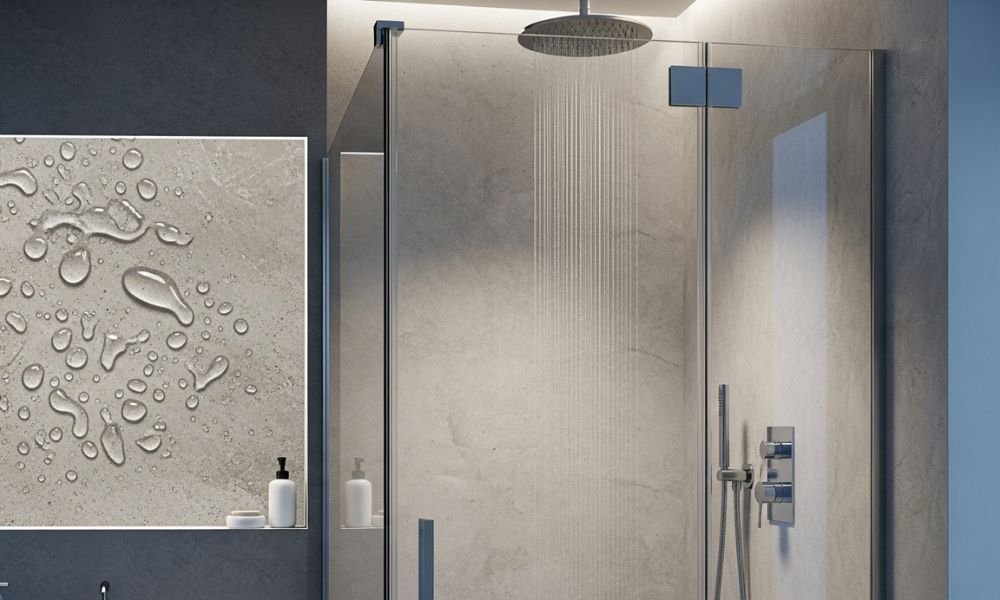
When embarking on a bathroom renovation, selecting wall coverings is a foundational decision that significantly impacts both the space’s aesthetic appeal and long-term functionality. The materials chosen must withstand constant humidity and direct moisture exposure to ensure durability and minimize future maintenance. For decades, ceramic tiles dominated the scene. However, modern alternatives are now trending, providing solutions that blend practicality with elegance. Specifically, waterproof vinyl for shower walls offers a highly practical and sophisticated option for wet areas. Choosing the right vinyl panel is the crucial first step toward transforming your bathroom from a mere functional area into a stylish, moisture-resistant personal retreat.
Why Modern Homeowners Prefer Waterproof Vinyl for Shower Walls Over Tile
The prevailing trend in bathroom design is moving away from the cold, hard, and uncomfortable feel of traditional ceramics. Homeowners are now actively seeking materials that provide a pleasant ambiance and a harmonious, joint-free appearance. Many people want to renovate their toilets and bathrooms using vinyl, specifically to move beyond dated aesthetics like the green or brown tiles of the 70s and 80s. People today actively seek an atmosphere of relaxation and comfort. Modern vinyl flooring inherently feels much warmer than tiles, even without the installation of underfloor heating. This demand for superior aesthetics and comfort, combined with excellent technical performance, is driving the trend toward innovative wall panels like waterproof vinyl for shower walls.
The Material Difference: Solid Vinyl is Key for Wet Areas
It is essential to understand that not all vinyl flooring is equally suited for wet areas like bathrooms and showers; the material composition is the deciding factor. For use in high-moisture environments, the focus must be exclusively on products that guarantee waterproofness. Solid glue-down vinyl—often marketed as full vinyl or design flooring—remains the preferred choice because experts consider it absolutely waterproof and explicitly suitable for wet rooms. This material is inherently resistant to water absorption and performs reliably even when subjected to high humidity. The structural integrity of this material is why full vinyl is recognized as an excellent and reliable choice for waterproof vinyl for shower walls.
Avoiding Risks: Why HDF-Backed Vinyl is Unsuitable
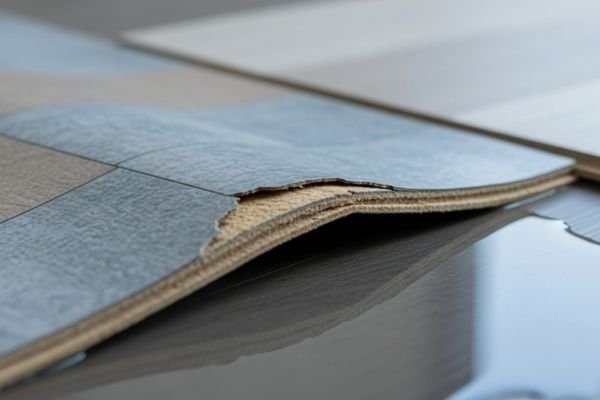
When selecting vinyl panels for a shower, homeowners must rigorously verify the material’s core composition to prevent long-term damage. Consumers must strictly avoid click vinyl with HDF (high-density fibreboard) backing for wet rooms. While the top vinyl layer of these products may be waterproof, the HDF core is not designed for continuous water exposure. Consequently, if water reaches the edges, the HDF material will swell and irreparably deform. Furthermore, some manufacturers might use water-sensitive fillers in the base material, so checking the product description for explicit waterproof properties is vital. To guarantee the integrity and longevity of your shower, you must choose only solid, homogeneous waterproof vinyl for shower walls materials.
Aesthetic Versatility: Vinyl’s Design Advantages
One of the most appealing aspects of vinyl is its impressive aesthetic versatility and resilience. Vinyl panels are available in an extensive range of designs, including realistic tile patterns, unique textures, and highly convincing wood-look styles. This breadth of design allows homeowners to achieve nearly any desired aesthetic, whether a modern, sleek appearance or a warmer, more traditional ambiance. Vinyl’s ability to mimic the look of wood is especially beneficial, offering the appealing warmth of waterproof wood flooring without the high maintenance and risk of long-term water damage associated with natural wood in a constantly wet area. Thus, waterproof vinyl for shower walls provides a safer, more sustainable, and highly practical option.
Installation Made Easy: Gluing Waterproof Vinyl for Shower Walls
A significant advantage of choosing waterproof vinyl for shower walls is the relatively straightforward installation process, which is often clean and quiet. This simplicity frequently allows DIY enthusiasts to complete the project, leading to considerable savings on expensive renovation costs. Use contact adhesive when you apply solid, glue-down vinyl planks to vertical wall surfaces. This specialized technique involves coating both the wall surface and the back of the vinyl plank with the adhesive. After a brief drying phase, the planks are firmly pressed onto the wall; the contact adhesive ensures immediate, secure adherence without any slippage.
Substrate Preparation: Why Wall Smoothness Matters
Proper preparation of the substrate is absolutely critical for a flawless installation of waterproof vinyl for shower walls. Unlike flooring, walls do not always require professional smoothing. However, the wall surfaces must still be meticulously smooth and even because glue-down vinyl is highly unforgiving of any unevenness. Any deviation or irregularity in the substrate will immediately become visible through the thin vinyl covering. You can successfully glue vinyl onto many smooth surfaces, including lacquered, painted, or ceramic finishes, as well as plasters and older coverings. Ensuring a smooth wall surface maximizes the aesthetic appeal and guarantees a strong, durable bond for the wall panels.
Direct Shower Use: Making Waterproof Vinyl for Shower Walls Safe
It is definitely possible to install solid vinyl in heavily wet areas, such as directly inside the shower or surrounding a bathtub. However, this requires specific, proven material structures and protocols. To ensure that the vinyl functions safely as waterproof vinyl for shower walls, the process requires three critical steps: First, the underlying substrates, such as drywall or wood-based materials, must be sealed absolutely watertight prior to vinyl application. Second, you must only use special polymer adhesive that resists damage from prolonged water exposure. Third, you should seal the entire surface afterward to ensure double protection against water ingress.
The Necessity of Professional Sealing in Wet Rooms
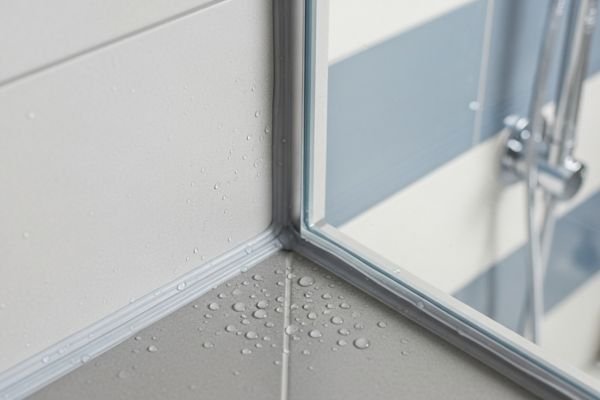
Careful and professional sealing is essential for any installation involving waterproof vinyl for shower walls, primarily because water is relentless and will inevitably exploit any weak points in joints and transitions. While silicone is commonly used to seal expansion joints, seams, and corners, it is merely classified as a maintenance joint and requires periodic inspection and renewal due to natural aging. Crucially, if the substrates are wood-based (like OSB) or drywall (plasterboard), a full-surface sealing must be applied before the panels are installed. This pre-sealing, often using sealing fleece and tapes, ensures that structural materials do not rot, even if water eventually seeps past the surface seal.
Advanced Protection: PU Seal for Enhanced Durability
For areas exposed to continuous, high-intensity water—such as the inner lining of a shower—an additional layer of surface protection should be applied to complement waterproof vinyl for shower walls. This involves applying a durable PU seal (polyurethane seal) over the installed vinyl surface, similar to painting with a roller. This PU-based coating is an absolutely safe method for vinyl renovation. It offers enhanced protection against prolonged water exposure and increases chemical resistance. Furthermore, the PU seal significantly boosts safety by increasing the slip resistance to R11, a safety class approved even for public areas. Applying this seal guarantees security for both property owners and users, dramatically increasing the longevity and resilience of the shower area.
Preventing Issues: Common Pitfalls and Solutions
When using solid, full vinyl as waterproof vinyl for shower walls, major problems are uncommon; difficulties usually arise from poor installation practices, adhesion, or sealing. As noted, attempting to use click vinyl with non-waterproof HDF backing in the shower is a major pitfall, as the core will deform irreparably. Another challenge is that non-sealed vinyl can show surface sensitivity to intense UV exposure and certain solvent-based chemicals, potentially leading to slight fading. Consequently, the recommended solution to prevent these surface issues and increase overall longevity is the application of a protective PU coating over the vinyl surface. Proper substrate preparation and meticulous sealing remain the best defenses against failure.
Seamless Design: Harmonizing Floor and Waterproof Vinyl for Shower Walls
A significant aesthetic benefit of choosing vinyl is the opportunity to achieve a completely homogeneous and cohesive design throughout the entire bathroom. By utilizing the same solid vinyl decor on both the floor and the walls, homeowners can create a unified look that makes the space feel cleaner, larger, and distinctly modern. This capability moves away from the fragmented, multi-material designs often seen with traditional tiling. To facilitate this seamless aesthetic, the installation involves securely gluing the vinyl to the wall surfaces using contact adhesive. This harmonization is a powerful design tool, transforming the space into a unified sanctuary that maintains the highest levels of water resistance. For more design inspiration, explore our guide on waterproof laminate walls for bathrooms.
Alternative Waterproof Solutions for Modern Bathrooms
While waterproof vinyl for shower walls is highly practical, several other innovative, waterproof panel options are available. Elegant Acrylic Options offer a sleek, modern look with a high-gloss, seamless finish, expertly mimicking the sophisticated appearance of glass or natural stone without the high costs or maintenance. Acrylic is highly resistant to moisture and inhibits mold and mildew growth. Conversely, Classic Ceramic Tiles remain a perennial choice due to their proven durability and water-resistant properties, offering unparalleled design flexibility in color and size for any aesthetic. Furthermore, specialty 3D PVC Wall Panels, such as the Wavy or Cullinans designs, introduce dynamic texture and modern flair. The manufacturer uses high-quality, scratch-resistant PVC to create these panels, ensuring they perform perfectly in wet, high-humidity conditions.
Conclusion
Choosing the right wall covering is crucial for any bathroom upgrade, and waterproof vinyl for shower walls presents a durable, stylish, and highly advantageous alternative to traditional ceramics. Solid vinyl is inherently waterproof, easy to maintain, and provides a pleasant warmth that traditional tiles lack. By strictly adhering to professional installation methods—including pre-sealing substrates, using appropriate adhesives, and potentially applying a protective PU seal—you ensure structural safety and longevity, even in the shower. Embracing waterproof vinyl for shower walls allows you to create a beautiful, unified, and resilient wet room that significantly enhances both the functionality and value of your home.