How to choose the best walk-in bathtub for seniors is a critical consideration for anyone looking to maintain safety, comfort, and independence at home. As the years pass, people want to age gracefully while maintaining mobility. However, traditional bathtubs can pose serious risks. In fact, falls in the bathroom are a common and devastating reality for older adults, with approximately 550,000 seniors age 65 and older injured each year.
80% of these injuries occur near toilets, tubs, and showers. Modifying the bathroom environment is not just an option—it is a critical necessity.
A walk-in bathtub for seniors offers a life-changing solution by minimizing bathroom hazards while providing therapeutic relief and essential comfort.
While these tubs represent a significant investment, ranging from $2,000 to over $3,000, many seniors find them valuable.
Numerous government programs, VA benefits, and non-profit initiatives exist to help cover the cost.
These options make a safer, more comfortable bathing experience attainable.
Why a Walk-In Bathtub for Seniors is Crucial for Home Safety
For many seniors, the biggest threat to continued independence at home is the risk of falling. Traditional bathtubs require precariously maneuvering over a high threshold or edge, making them a common site for dangerous accidents. Falls in the bathroom can cause a range of serious injuries, including fractures, sprains, and scratches. In extreme cases, older people may be unable to call for help. This can result in potentially serious consequences, such as dehydration or hypothermia. Low Entry Threshold and Watertight Door: The most important feature is the low threshold combined with the door. This design allows elderly individuals to step in and out easily. It eliminates the challenging maneuvering required by standard tubs.
Walk-in bathtubs for senior citizens are a special solution. They are specially developed to combat common bathroom dangers. Unlike standard bathtubs, this accessible bathtub has a watertight door. It also features a low threshold, which eliminates the need to climb over a high edge to get in or out. This simple design feature radically reduces the risk of slips and falls, giving senior citizens and their families peace of mind.
Understanding the Essential Design of a Modern Walk-In Bathtub
A mobility tub—also known as an accessible bathtub or a bathtub with a door—is an investment in a senior’s future independence and safety. The design principles prioritize ease of use, security, and comfort.
The fundamental difference from a standard tub is the watertight door, which can open either inward or outward depending on the model chosen. This design facilitates easy access, particularly benefiting individuals utilizing wheelchairs or other mobility aids, as it removes the difficult necessity of transferring over a high barrier.
Safety Features Making the Walk-In Bathtub for Seniors a Necessity
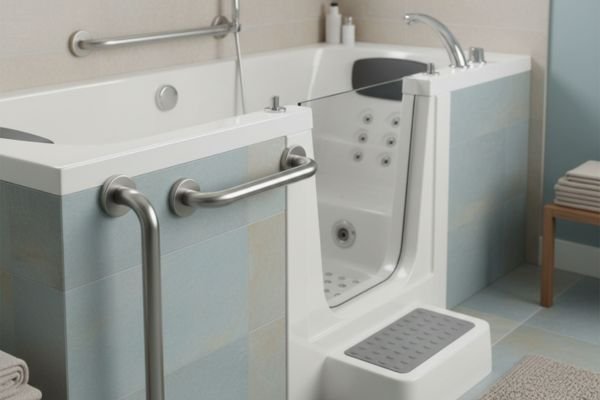
The integration of specific safety features is what truly sets this specialized equipment apart and justifies its classification as a crucial home modification:
1. Low Entry Threshold and Watertight Door: The most important feature is the low threshold combined with the door. This design allows elderly individuals to step in and out easily. It eliminates the challenging maneuvering required by standard tubs.
2. Built-In Seating: Walk-in bathtubs are manufactured to include built-in seating. This design ensures the user can sit comfortably and stably throughout the bathing process, reducing the risk of falls that can occur when standing for prolonged periods or attempting to sit down in a deep tub.
3. Anti-Slip Flooring: To enhance security even when surfaces are wet. Anti-slip or slip-resistant features are standard in senior bathtubs, providing the elderly with sure footing.
4. Grab Bars: Strategically placed grab bars further enhance safety by offering stable support points while entering, exiting, or adjusting position inside the tub.
5. Quick Drain Systems: A key consideration for convenience and safety is the quick drain system featured on many models. This allows the tub to empty rapidly, reducing the time the senior must spend waiting inside after the bath is finished before they can safely exit.
Therapeutic and Comfort Benefits of a Walk-In Bathtub
While safety is the primary concern, the benefits of installing a walk-in bathtub extend far beyond accident prevention. These tubs offer significant therapeutic and psychological advantages, transforming the bathing experience into one of relaxation and restoration.
Water Therapy and Relaxation:
Walk-in bathtubs provide water therapy, allowing seniors to soak in warm water and experience spa-like relaxation. This warm water immersion is particularly beneficial for those aging individuals living with chronic conditions like arthritis or other age-related health issues. The therapeutic features of the warm water help to soothe pain, stiffness, and fatigue. Soaking inside the tub relaxes muscles, eases pressure on stiff joints, and actively reduces inflammation linked to arthritis.
Advanced Features for Comfort:
Many walk-in bathtub models come equipped with advanced features designed specifically for therapeutic benefit and comfort. These may include heating pads and hydrotherapy jets. The hydrotherapy jets offer a powerful, spa-like experience by soothing aching muscles and improving circulation. Furthermore, having easy-to-use controls for adjusting water temperature ensures a pleasant and safe bathing experience tailored to the individual’s preference.
This combination of physical safety and comforting therapeutic features promotes a greater sense of autonomy and dignity in daily life. Installing a mobility tub for seniors ultimately facilitates the essential goal of aging in place by increasing bathing independence.
Who is the Best Candidate for a Walk-In Bathtub for Seniors?
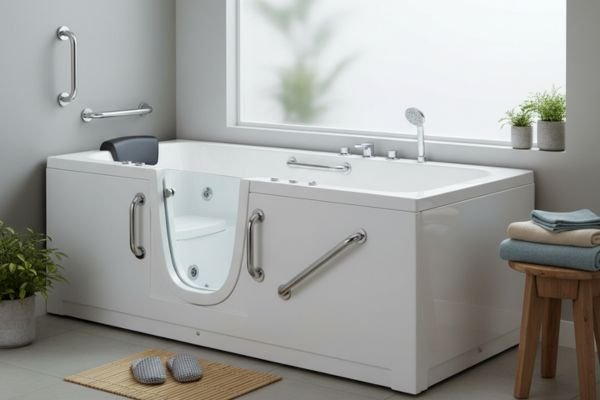
A walk-in bathtub is an ideal solution for a broad range of seniors who face physical difficulties or health conditions that render traditional bathing methods challenging or outright dangerous.
The types of seniors who benefit most from this modification include:
1. Seniors with Mobility Issues: This includes individuals who struggle with balance or movement due to conditions like muscle weakness, arthritis, or Parkinson’s disease. These mobility issues inherently increase their risk of bathroom falls.
2. Seniors Recovering from Surgery or Injury: Individuals undergoing recovery from major procedures, such as knee or hip replacements, often experience limited mobility, making safe, independent bathing difficult without the aid of a senior bathtub.
3. Seniors with Vision Impairments: Navigating the complex environment of a traditional bathtub can be particularly hazardous for those with limited eyesight. The straightforward entry and enhanced stability of a walk-in tub simplify the process.
4. Individuals with Disabilities: The tubs are designed to address the unique challenges faced by individuals with disabilities, enhancing accessibility and safety through easy entry and features like built-in seating.
Navigating the Cost: Pricing a Walk-In Bathtub (The Investment)
Because the manufacturing of a walk-in bathtub involves complex engineering to ensure safety and functionality, they represent a considerable financial investment. The typical price range for these tubs starts around $2,000 and can easily exceed $3,000, not including installation costs, which can be prohibitive for many seniors relying on fixed incomes.
However, viewing a walk-in bathtub as a critical investment in the senior’s long-term health, safety, and continued independence is essential. Fortunately, the elderly have several avenues, including specific government programs and non-profit funding sources, they can tap into to cover the full or partial cost of this necessary addition to the home.
Securing Financial Aid: Programs That Help Seniors Fund a Walk-In Bathtub
The quest for a walk-in bathtub for seniors can often become overwhelming when considering the price tag. The good news is that numerous organizations and governmental bodies recognize the necessity of home modifications for safety and aging in place, offering grants, loans, and other financial benefits.
Government Assistance for Your Walk-In Bathtub for Seniors
Several federal and state programs provide financial resources intended to help low-income elderly individuals or those with disabilities afford essential safety improvements like a walk-in bathtub.
Medicare Advantage Plans: While standard Medicare coverage typically does not cover elective home modifications, older adults should explore Medicare Advantage plans offered by private insurers. These private plans sometimes offer flexibility in their benefits package. It is critical for the senior or their family to speak directly with an insurance representative before committing to a purchase to ascertain exactly what benefits, if any, are included in their specific plan regarding a walk-in bathtub for seniors.
Medicaid: Medicaid, a program often tied to specific state requirements and income levels, may offer coverage flexibility. Although it is generally improbable that Medicaid will cover the entire cost of the tub, certain state programs offer grants or assistance designed to help with building necessary accommodations for aging individuals facing mobility challenges. Families should investigate special waiver programs and grants within their state specifically aimed at home modifications.
US Department of Agriculture (USDA) Section 504 Home Repair Program: This program is a vital resource for low-income seniors who reside in rural areas. The USDA’s Section 504 Home Repair Program provides eligible seniors with loans of up to $40,000. These funds are explicitly intended to improve safety, enhance accessibility, or accommodate disabilities within the home, and the loan can be used to cover the full or partial cost of installing a walk-in bathtub.
Veterans Administration (VA) Benefits: The VA offers several highly beneficial programs to assist disabled veterans in funding home modifications like the addition of a walk-in bathtub.
- Caregivers also provide timely medication reminders to help seniors stay consistent with their treatments.
- In addition, they offer friendly companionship that helps reduce feelings of loneliness and isolation.
- Support is extended to everyday needs as well — including grocery shopping, preparing healthy meals, and arranging transportation for medical appointments.
Non-Profit and Specific Aid Options for the Walk-In Bathtub
Beyond federal resources, non-profit organizations are dedicated to ensuring that seniors can age in place safely, offering assistance for major home improvements.
Habitat for Humanity’s Aging in Place Program: Habitat for Humanity, through its dedicated Aging in Place program, assists low-income individuals by helping to cover the costs associated with critical home improvements, including the installation of a walk-in bathtub. This non-profit organization actively collaborates with various healthcare organizations to provide not only health support but also housing assistance, often connecting seniors directly to relevant financial resources for bathroom modifications.
Choosing the Right Walk-In Bathtub for Seniors: Key Considerations
Selecting the perfect walk-in bathtub for seniors requires careful assessment of both the user’s specific needs and the bathroom’s existing structure. Since this is a significant long-term investment, due diligence is key.
When making a decision, you must consider the following factors:
1. Size and Space: The primary step is accurately measuring the bathroom space. Tubs come in various configurations, including compact and full-length models. It is crucial that the chosen walk-in bathtub fits comfortably without impeding access to other fixtures like the toilet or basin.
2. Door Configuration: Walk-in tubs are available with inward-opening or outward-opening doors. This choice should be based on the user’s specific mobility needs and the layout of the bathroom. For instance, individuals using mobility aids might find an outward-opening door easier to navigate.
3. Necessary Features and Accessories: Evaluate the features that will best enhance the user’s experience. While standard safety features like anti-slip floors and grab bars are essential, deciding on optional therapeutic features is important. Do hydrotherapy jets and built-in heating pads provide a necessary therapeutic benefit for conditions like arthritis, or are simpler built-in seating models sufficient?
4. Installation Requirements: Due to the complexity of these systems and the need to ensure the watertight seal is perfect, professional installation is usually required. When selecting a provider (like EA Mobility, mentioned in the sources), make sure they have experienced installers. They will ensure the tub functions correctly.
Some companies, like EA Mobility, also offer Computer-Aided Design (CAD) services and a Bathroom Matchmaker service to help clients determine the ideal fit.
Maximizing Safety: Pairing Your Walk-In Bathtub with Home Care Support
Installing a walk-in bathtub for seniors is a powerful modification that enhances independence.
However, ensuring full safety often requires a multi-layered approach. Even with the safest equipment installed, seniors can greatly benefit from personalized in-home care services.
Caregivers, such as those provided by Assisting Hands Home Care, offer crucial support that complements the safety improvements of a walk-in tub. Caregivers assist seniors with critical daily hygiene tasks, including grooming, dressing, bathing, and toileting. This support helps ensure that seniors feel completely safe and confident in their bathrooms, especially during the transfer phase.
Furthermore, in-home care services provide holistic support for aging in place, including:
Customized fall prevention strategies designed specifically for each home environment.
- Caregivers also provide timely medication reminders to help seniors stay consistent with their treatments.
- In addition, they offer friendly companionship that helps reduce feelings of loneliness and isolation.
- Support is extended to everyday needs as well — including grocery shopping, preparing healthy meals, and arranging transportation for medical appointments.
These flexible and customized services, including respite care, memory care, and 24-hour care. Provide the comprehensive support necessary for a loved one to remain independent at home successfully. While some organizations may specialize in home safety upgrades like grab bars, ramps, or adaptive devices (like Assisting Hands does for seniors aged 62 or older). They focus primarily on the care aspect, recognizing the walk-in bathtub as a crucial, but separately installed, safety measure.
Additional Accessible Bathroom Solutions
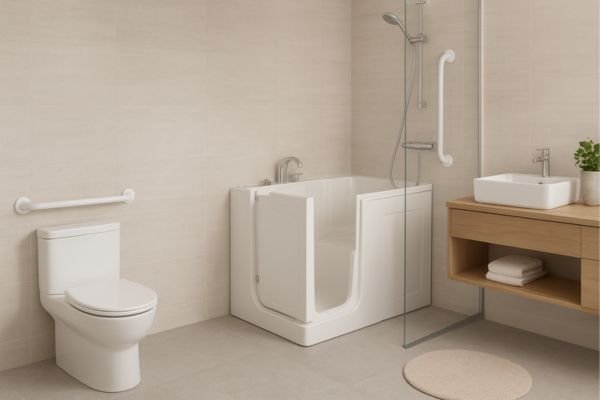
While the walk-in bathtub for seniors is a fantastic solution. It’s important to recognize that it is just one component of a fully accessible bathroom ecosystem. Professionals specializing in accessible bathing solutions often offer a comprehensive range of products designed to meet evolving accessibility requirements.
These solutions include:
• Wet Rooms: These spaces maximize every inch of a compact area, creating a luxurious and easy-to-maintain space where the entire room is waterproof. The concept of a modern disabled wet room has gained popularity due to its comprehensive accessibility.
• Walk-In Showers: These offer alternatives to tubs, featuring level-access trays, slip-resistant surfaces, and grab rails. Options include low level access showers and fully wheelchair accessible showers. A walk-in shower with a seat is a noted game-changer for those seeking convenience, comfort, and safety.
• Specialist Mobility Equipment: This category includes essential transfer aids like bath lifts, hoists, and wheelchair ramps. It also encompasses accessible toilets (including smart and bariatric models) and accessible washbasins.
By integrating the walk-in bathtub with these other mobility aids and bathroom modifications. Families can create an environment that truly supports continuous aging in place.
Conclusion
Installing a Walk-In Bathtub for Seniors can significantly improve bathroom safety. It is one of the most impactful modifications a family can make. Such an upgrade also helps promote independence for elderly family members. Considering that bathroom falls cause hundreds of thousands of injuries annually, removing the barrier of a high tub wall is a necessity, not a luxury. The advantages are clear. The tub provides superior safety with features like anti-slip flooring and built-in seating. It also increases independence for the user and offers significant therapeutic benefits through hydrotherapy.
The cost may seem high, sometimes exceeding $3,000. However, numerous resources are available to help cover the expense. These include targeted VA grants, USDA loans, state Medicaid waivers, and assistance from non-profits like Habitat for Humanity.
Families should thoroughly investigate available funding options. They should carefully select the right model based on size and features. This ensures their loved ones can enjoy a safe, comfortable, and dignified bathing experience well into their later years.
Take the critical step today to explore financial assistance and transform the bathroom into a secure haven for aging in place.